


Tropical Terroir: The Rise of Indonesia as the Next Big Destination for Wine Lovers

When you think of the world’s great wine maps, your mind likely drifts to the rolling hills of Tuscany or the rugged vineyards of Uruguay. But for the adventurous traveler, there is a new, exotic frontier rewriting the rules of viticulture: Indonesia.
Forget the well-trodden paths. Here, right on the equator, a “New Latitude” wine culture is blossoming—one that is as surprising and bold as that first sip of an Uruguayan Tannat.
eyesonindonesia
Indonesia and wine might seem like an unlikely pairing. With a tropical climate, high humidity, and no traditional winter dormancy for the vines, conventional wisdom says winemaking should be impossible. Yet, pioneers have turned the volcanic soil and constant sunshine into a unique advantage: the perpetual harvest.
1. North Bali: The “Bordeaux” of the Tropics
While most tourists stay in the south for the surf breaks, the heart of Indonesian wine beats in the rugged north. In the Buleleng regency, nestled between the mountains and the Bali Sea, you’ll find the country’s primary vineyards.
- Hatten Wines: A true pioneer since 1994, Hatten has proven that Bali can produce world-class bottles. Their vineyards in Sanggalangit village utilize the Alphonse Lavallée grape—a French heritage variety that has found a second life here as a light, fruity red that pairs perfectly with spicy Indonesian cuisine.
- Isola (Cantine Balita): For a touch of Italy in the tropics, Isola is a must-visit. They combine Sicilian techniques with Balinese traditions. Their vineyards on volcanic slopes produce mineral-forward, crisp white wines that evoke the spirit of the Etna region.
2. Probolinggo: The Forgotten “City of Grapes”
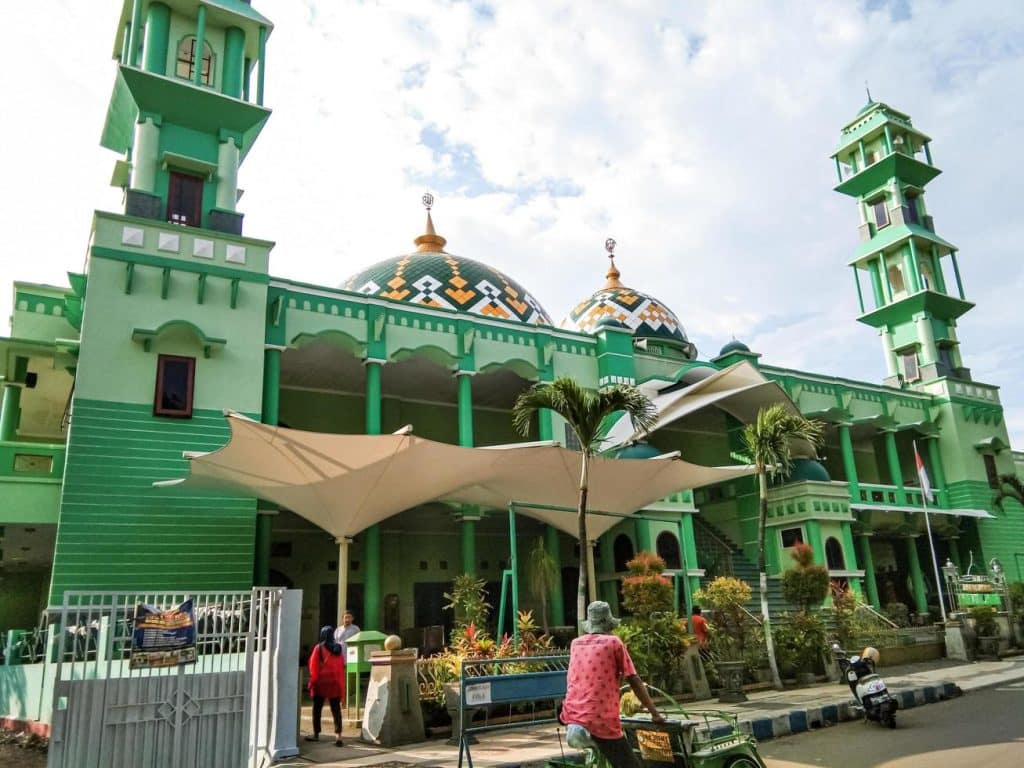
Beyond Bali lies a hidden gem in East Java: Probolinggo. Known since the colonial era as the “City of Grapes,” this region offers a truly off-the-beaten-track experience. While commercial production is smaller than on Bali, it is the home of the Probolinggo Biru, a local white grape that modern winemakers are now rediscovering to create unique, sparkling varieties.
3. Why These Wines Are Unique
Just as Uruguay found its identity in the Tannat grape, Indonesia has its own “New Latitude” characteristics:
- Three Harvests a Year: Because there is no winter, the vines never stop growing. This allows farmers to harvest up to three times a year—a feat that is physically impossible in Europe.
- Volcanic Terroir: The soil is incredibly rich in minerals due to the proximity of active volcanoes, lending a subtle, salty complexity to the wines.
- Sustainability and Social Impact: Wineries like Sababay work closely with local farmer cooperatives. By offering fair prices and investing in sustainable farming, every bottle helps support the local community.
4. The Experience: Wine Tasting Among the Rice Paddies
A wine tour in Indonesia is far from stiff or formal; it is a celebration of local hospitality.
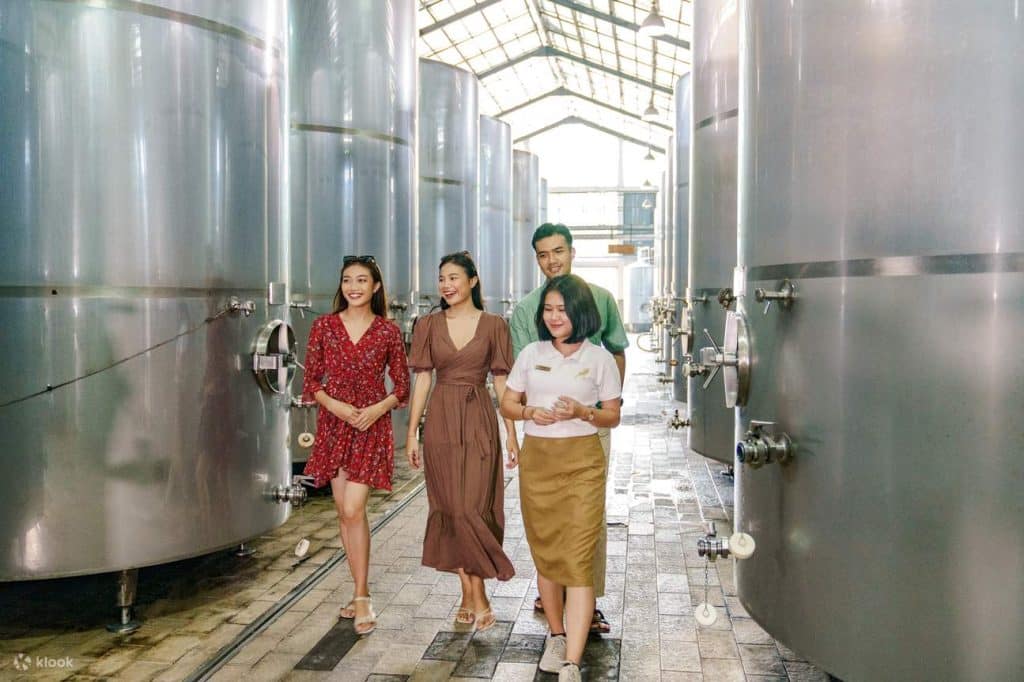
- Sababay Winery (Gianyar): Visit their state-of-the-art winery for a “Wine & Dine” experience in their serene garden. They are famous for their award-winning Muscatos and robust blends that have started picking up international medals.
- The “Cellar Door” in Sanur: If you don’t have time to head north, Hatten Wines has a stunning tasting room in Sanur where you can try the famed Pino de Bali—a fortified dessert wine aged for five years in French oak.
Pro Tip: Ask for Isola’s “Raw” wines. They are unfiltered and vegan, offering a pure, authentic character that aligns perfectly with the modern natural wine trend.
A New Destination for the Bucket List
Indonesia is rapidly becoming a serious contender for travelers who want something different from the standard Cabernet. Much like Uruguay, it offers the rare chance to witness an emerging wine culture that isn’t afraid to break tradition. It is sustainable, scenic, and—above all—entirely unexpected.