

Archipelago of Innovation: How AI and Robotics are Redefining Indonesia’s Future

eyesonindonesia
Indonesia is no longer just a digital consumer; it has become a high-tech laboratory where silicon meets the soil. From the dense traffic of Jakarta to the remote aquaculture ponds of West Java, a new generation of startups is deploying Artificial Intelligence and Robotics to solve “unsolvable” regional challenges.
These aren’t just copycat ventures. They are “Deep Tech” solutions tailored for a 17,000-island nation, proving that the next wave of global innovation is speaking Bahasa Indonesia.
1. eFishery: The Smart Revolution in the Water
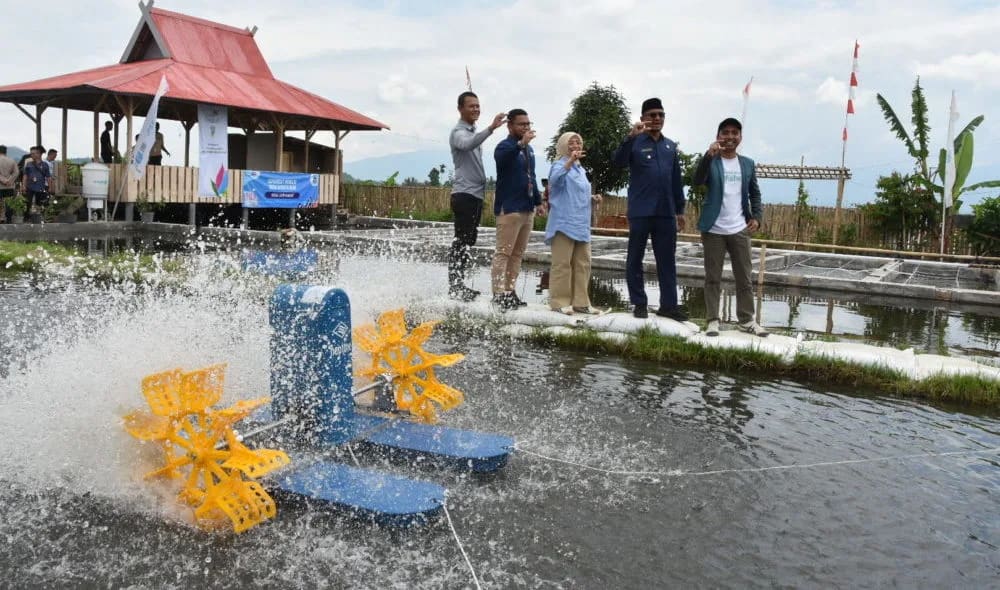
Arguably Indonesia’s most successful marriage of hardware and AI, eFishery has transformed from a simple “auto-feeder” startup into a global agtech powerhouse. Their core innovation is an AI-powered smart feeder for fish and shrimp farming.
- How it works: Sensors detect the vibration and movement of fish in the water. Using machine learning, the system identifies when the fish are actually hungry, dispensing feed only when necessary.
- The Impact: This eliminates the 20%–30% of feed typically wasted by over-farming. By reducing waste, eFishery helps farmers increase their margins significantly while preventing the environmental degradation caused by excess feed rot.
- The Vision: They are now using the data collected by thousands of sensors to provide credit scoring for farmers, allowing previously “unbanked” rural workers to access formal financing.
2. Nodeflux: The Watchful Eye of the Smart City
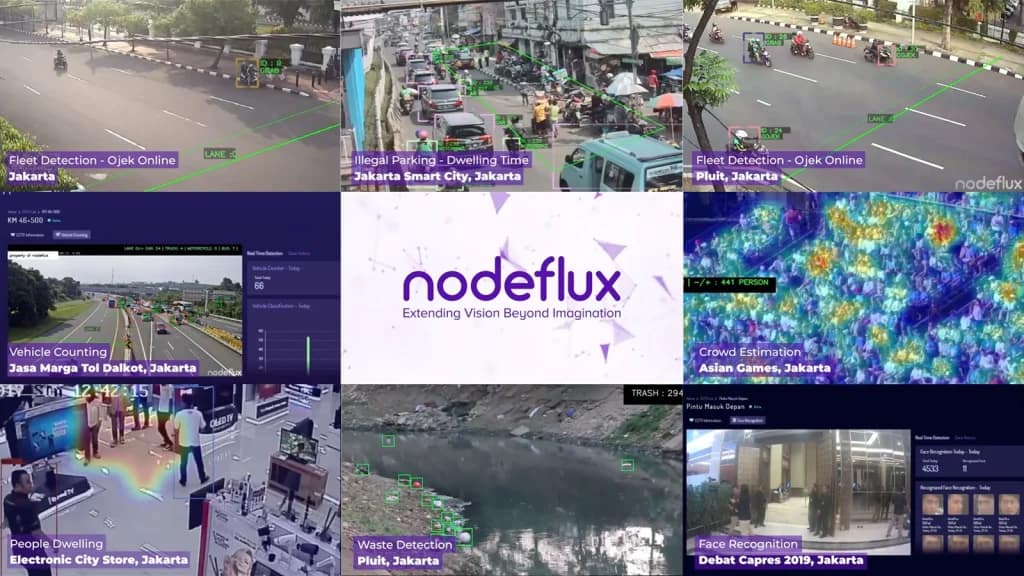
In the sprawling urban landscape of Jakarta, traditional surveillance is a “needle in a haystack” problem. Nodeflux, Indonesia’s first homegrown intelligent video analytics company, uses AI to make sense of the chaos.1
- Social Impact: Their “Vision AI” is used by the Indonesian National Police and city governments to automate everything from license plate recognition (to manage traffic) to flood monitoring (using cameras to detect rising water levels in real-time).
- Cultural Context: Nodeflux stands out because their algorithms are trained specifically on the local environment—identifying the unique types of motorbikes, street vendors, and weather conditions specific to Southeast Asia.
3. Beehive Drones: Bridging the Archipelago
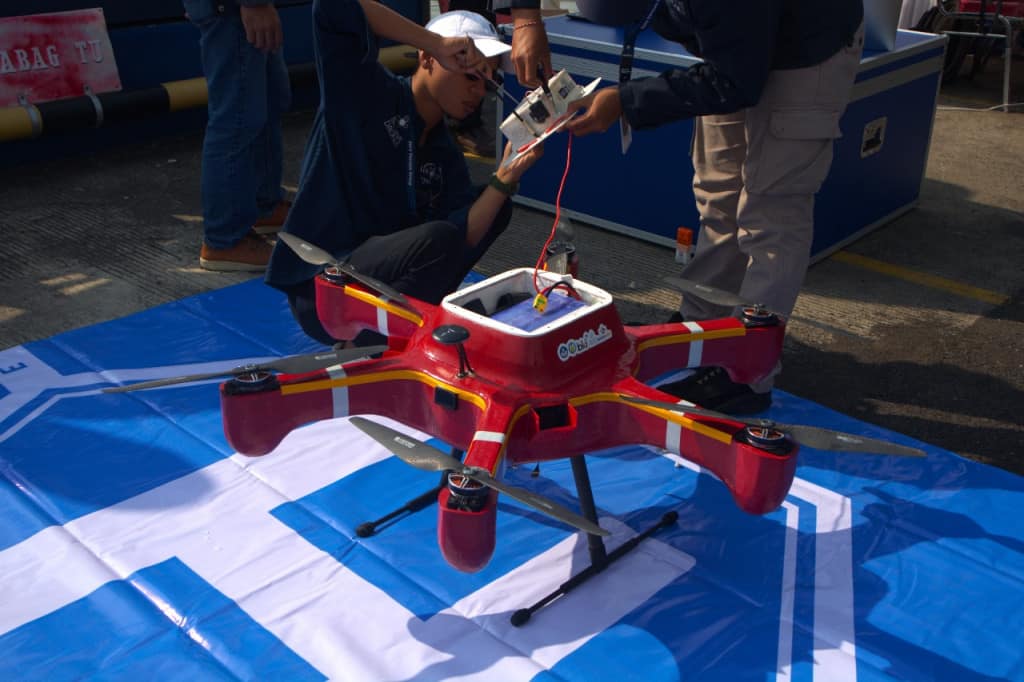
In a country where geography is the greatest barrier to development, Beehive Drones is building a bridge in the sky.2 Founded by a group of returning Indonesian scholars, this startup focuses on swarms of autonomous drones for agriculture and logistics.
- Precision Agriculture: Their drones don’t just fly; they use AI to scan plantations (like oil palm or rice) for pests and nutrient deficiencies, spraying chemicals with surgical precision only where needed.3
- Medical Logistics: They are pioneering systems to deliver vaccines and emergency medical supplies to remote islands where traditional boats or trucks would take days to arrive.
4. Prosa.ai: The Voice of 270 Million People

Most global AI models are built for English, often struggling with the nuances, slangs, and diverse dialects of Bahasa Indonesia. Prosa.ai is the country’s leader in Natural Language Processing (NLP).
- Innovation: They have developed highly specialized speech-to-text and text-to-speech engines that understand the local context better than generic global alternatives.
- Use Case: Their tech powers “Hoax Analyzer,” an AI tool that helps identify and flag misinformation on social media, a critical service in a country with high social media penetration and a history of digital “fake news” challenges.
The Silent Driver: A “Human-Centric” Tech Era
Unlike the Western narrative of AI replacing workers, the Indonesian startup ecosystem is focused on AI as an Augmentation.
Whether it’s helping a fish farmer earn more, assisting a city official in preventing a flood, or delivering a life-saving vaccine to a remote village, these startups are proving that the most stunning innovations aren’t the ones that look like science fiction—they’re the ones that make life better for the person on the ground.