

The Archipelago’s Ambition

Inside Indonesia’s Digital Startup Revolution
eyesonindonesia
At first glance, it might seem like Indonesia’s digital landscape is simply a battleground for Silicon Valley giants. Microsoft CEO Satya Nadella flew to Jakarta in April 2024 to personally announce a $1.7 billion investment in cloud and AI infrastructure. Amazon and Google have planted flags across the archipelago. The question worth asking is: are ordinary Indonesians merely consumers in someone else’s digital empire — or are they building one of their own?
The answer is emphatically the latter, and the story is more complex, more interesting, and more precarious than the headlines suggest.
The Numbers Tell a Story of Scale
Indonesia controls nearly 40 percent of Southeast Asia’s digital market share and is projected to lead the region until the end of this decade. As of mid-2025, Indonesia ranked as the sixth-largest country in the world in terms of active startups, with over 3,000 active companies — surpassing Germany, France, Spain, and the UAE.
In total, Indonesian startups have raised $71.1 billion across all funding rounds, with 14 unicorns and over 2,500 companies having secured investment. Early 2026 showed momentum too: funding in the first two months of 2026 was up over 100% compared to the same period in 2025.
This is not the profile of a country simply hosting foreign tech infrastructure. It is a genuine domestic innovation ecosystem — one with real stars, real failures, and hard-won lessons.
The Homegrown Giants: Indonesia’s Unicorn Story
The crown jewels of Indonesia’s startup scene were born not in Silicon Valley boardrooms, but from the lived realities of Indonesian streets and culture.

Gojek is perhaps the most iconic example. The name is a play on ojek, the popular Indonesian motorcycle taxis that have been a staple of urban transport for decades. Founded in 2010 as a call center connecting couriers and riders, it launched a smartphone app in 2015 and became Indonesia’s first unicorn in 2016. Today it has evolved into a super-app offering everything from ride-hailing and food delivery to digital payments and healthcare bookings — a homegrown answer to the complexity of urban Indonesian life.
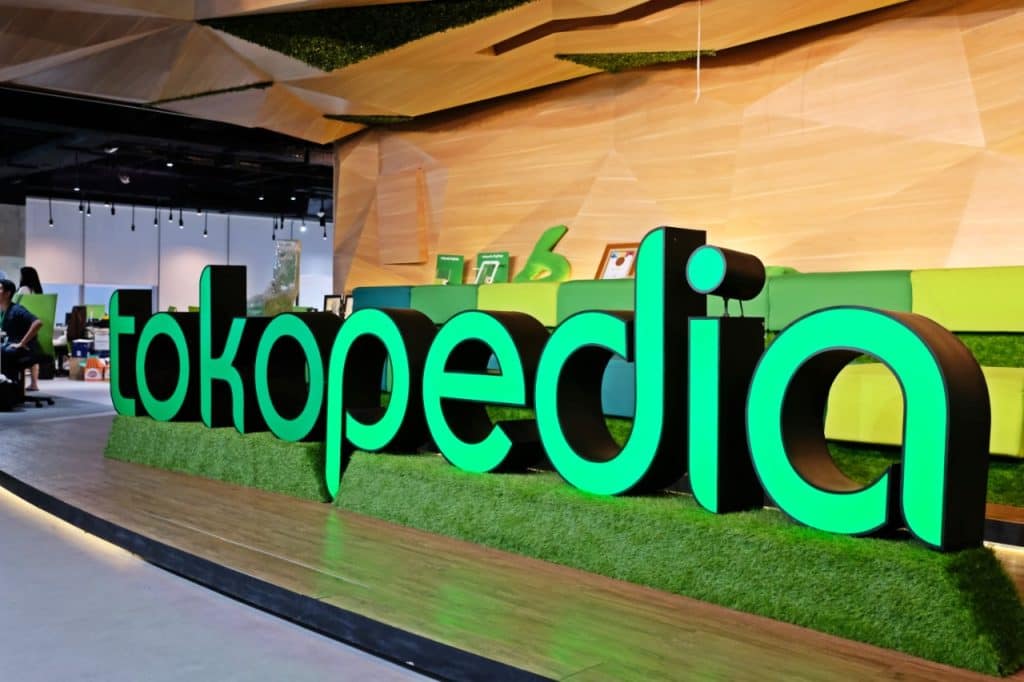
Tokopedia, the e-commerce marketplace founded in 2009, connected millions of small Indonesian sellers — the warung owners and cottage craftspeople — to a national customer base, becoming a kind of digital marketplace for Indonesia’s informal economy. It later attracted investment from Google and Singapore’s Temasek Holdings.
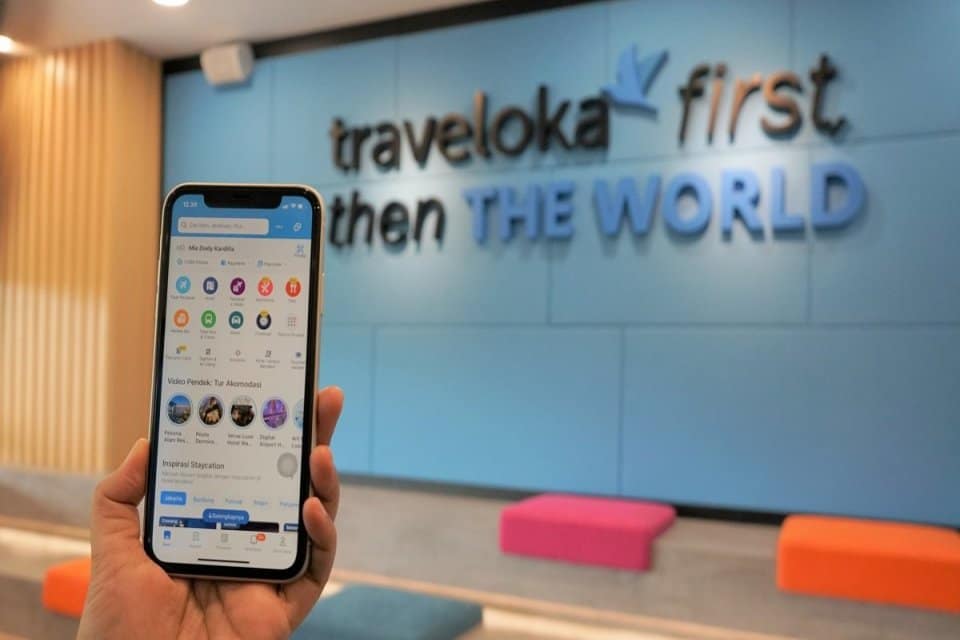
Traveloka, born in 2012, reinvented how Indonesians book travel. Founded by Ferry Unardi, Derianto Kusuma, and Albert Zhang, it began as a flight price comparison site before expanding into a full lifestyle platform covering hotels, trains, activities, and even pay-later services.
These companies weren’t imitating Western models — they were solving distinctly Indonesian problems: the chaos of informal transport, the exclusion of small merchants from formal retail, and the complexity of navigating a geographically fragmented, 17,000-island nation.
Big Tech’s Big Bet: Infrastructure, Not Domination
Yes, Microsoft, Amazon, and Google are all here — and they are spending seriously. Microsoft pledged $1.7 billion over four years to build cloud and AI infrastructure in Indonesia, with CEO Satya Nadella personally announcing the commitment in Jakarta after meeting with then-President Joko Widodo. The company also committed to training hundreds of thousands of Indonesians in AI skills.

But this investment pattern is better understood as infrastructure, not takeover. The Big Tech giants are building data centers and cloud platforms — the digital roads and electricity grids of the 21st century. The Indonesian government has actively supported local startup innovation through programs like Startup4Industry and more recently Garuda Spark, its digital startup acceleration initiative. The goal is to ensure that on top of this infrastructure, Indonesian companies and citizens can build and thrive.
The dynamic is closer to a foreign company building a port than colonizing a city. Whether Indonesia can leverage that infrastructure for homegrown advantage is the central question of the next decade.
The Uncomfortable Reckoning: Unicorns in Trouble
Indonesia’s startup story would be incomplete — and dishonestly rosy — without confronting a troubling recent chapter.

The unicorns that once symbolized Indonesia’s digital rise — Tokopedia, Bukalapak, GoTo, and Traveloka — have either lost their unicorn status, been acquired, or quietly relocated abroad. Tokopedia, after merging with Gojek to form the GoTo Group, was subsequently acquired by TikTok. Bukalapak’s valuation collapsed after a troubled IPO. In a move that drew little fanfare but significant implications, Traveloka shifted its operational headquarters to Singapore, distancing itself from its Indonesian origins.
Meanwhile, eFishery — once celebrated as a breakthrough aquaculture startup and Southeast Asian agritech icon — was engulfed in a scandal involving alleged transaction manipulation and inflated financials. The fallout triggered a broader crisis of investor confidence, prompting stricter governance requirements and a sharp retreat from early-stage funding.
These are not just cautionary tales about individual companies. They point to structural vulnerabilities: governance gaps, over-reliance on foreign capital, and the difficulty domestic startups face in maintaining independence as global giants compete for the same market.
The New Wave: What’s Growing Now
Despite the headwinds, the next generation of Indonesian digital innovation is finding its footing — this time with more emphasis on sustainability, profitability, and governance.
State-owned firms are stepping up investments in local startups, focusing on digital infrastructure and green tech — a shift that could stabilize funding and reduce dependence on volatile private capital. Fintech remains the largest magnet for private investment, with digital wallet and lending platforms like DANA, OVO, and Kredivo serving hundreds of millions of Indonesians who remain underbanked. The digital payment ecosystem has grown stronger, supported by QRIS (Indonesia’s unified QR code payment standard), open banking, and collaboration between traditional banks and local fintech startups.
Indonesia also launched Lisk Spark, the country’s first government-backed Web3 incubator, partnering with global players to foster blockchain applications. AI-focused startups are attracting consistent interest from investors, even as broader funding has grown more selective.
The Verdict: Neither Dominated, Nor Invincible
Indonesia’s digital startup ecosystem is neither a foreign tech colony nor an untouchable innovation powerhouse. It is something messier and more human: a young, ambitious, stumbling ecosystem that has already produced genuine global-scale innovations — and is learning, painfully at times, how to build companies that last.
With a young workforce entering its demographic peak, over 200 million internet users, and a government committed to digital transformation, Indonesia has the foundational ingredients for long-term tech leadership in Southeast Asia. The challenge is not talent or market size — both are abundantly present. The challenge is governance, capital sustainability, and the courage to build companies that can remain Indonesian in spirit even as they compete on a global stage.
Big Tech will keep investing in Indonesia’s infrastructure. But the story of whether this archipelago of 270 million people becomes a producer of digital innovation — rather than just a consumer of it — will be written by Indonesian founders, developers, and entrepreneurs working from Jakarta, Bandung, Yogyakarta, and beyond.
That story is very much still being written.