

The Carbon Offset Conundrum

Is REDD+ a Green Miracle or a “License to Pollute”?
eyesonindonesia
In the boardroom of a multinational oil giant and in the deep canopy of the Indonesian rainforest, two very different conversations are happening about the same thing: REDD+.
Reducing Emissions from Deforestation and Forest Degradation (REDD+) was designed as a bridge between the industrial and the natural worlds. The concept is simple: wealthy companies pay developing nations to keep their forests standing, receiving “carbon credits” in return. But as the climate crisis intensifies, a fierce ethical debate has set the environmental movement ablaze. Is REDD+ a vital tool for conservation, or is it merely a sophisticated “license to pollute”?
The Mechanism of Guilt
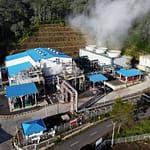
At its core, the ethical dilemma of REDD+ lies in the offset. When a corporation buys a credit representing one ton of carbon “saved” in a forest, it uses that credit to cancel out one ton of carbon it emitted from a smokestack or an airplane tailpipe.
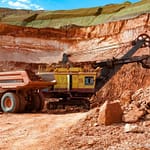
Critics argue that this creates a dangerous moral hazard. Instead of doing the hard work of decarbonizing their supply chains—switching to renewables or reducing production—companies can simply write a check.
“Offsets are a dangerous distraction from the need to end fossil fuel extraction,” says Anselmo Lee, a human rights activist focused on Asian climate policy. “They allow polluters to maintain a ‘business as usual’ mindset while claiming they are ‘net zero.’ You cannot offset your way out of a burning house.”
The “Additionality” Trap
The ethics become even murkier when you look at how these credits are calculated. To earn a credit, a project must prove “additionality”—that the forest would have been destroyed if not for the money.
This has led to “phantom credits,” where developers claim they saved a forest that was never actually under threat. When a company uses a fake credit to justify real pollution, the atmosphere loses twice.

Nnimmo Bassey, a renowned Nigerian environmentalist and director of the Health of Mother Earth Foundation, has been one of the most vocal critics of this market-based approach:
“Carbon trading is a new form of colonialism. It’s about putting a price on nature and turning our forests into ‘carbon sinks’ for the benefit of the global North, while the polluters continue to poison the air elsewhere.”
People vs. Paper: The Human Cost
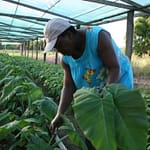
Perhaps the most painful ethical dilemma is the impact on Indigenous Peoples. In many cases, REDD+ projects have turned ancestral lands into “no-go zones” to protect the carbon stocks that have been sold to foreign investors.
Activists argue that the system commodifies the sacred. For many Indigenous groups, the forest is a source of life, medicine, and spirituality—not a ledger of carbon tons.

“We are told we cannot hunt or farm on our own land because the carbon has been sold to a company across the ocean,” says Hindou Oumarou Ibrahim, an Indigenous leader from Chad. “Nature is not a commodity to be traded on a stock exchange. It is our life support system.”
The “License to Pollute” Defense
Defenders of REDD+ argue that the system is imperfect but necessary. They point out that without this private capital, millions of hectares of forest would have already succumbed to cattle ranching and soy plantations. They ask a haunting question: If we don’t use carbon markets, who is going to pay the trillions needed to keep the tropical forests standing?
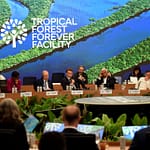
However, the tide is turning. At summits like COP30, the push for mechanisms like the Tropical Forest Forever Facility (TFFF)—which pays countries for their forests without allowing companies to use them as offsets—shows a growing desire to tear up the “license to pollute.”
Final Thought
The ethical struggle over REDD+ is a struggle over the soul of the climate movement. Can we save the planet by using the same market tools that broke it? Or must we find a way to value the forest simply because it is a forest, independent of the industrial emissions it is forced to “offset”?
As long as carbon credits allow a coal plant in Europe to stay open by “saving” a tree in the Amazon, the label of “license to pollute” will be hard to shake. The future of conservation may depend on our ability to protect the trees without giving the polluters an easy way out.