


The Quiet Revolution: Why Uruguay is the BBC’s Must-Visit Sustainable Destination for 2026

eyesonindonesia
In a world where travel is often defined by long queues and “over-tourism,” Uruguay has emerged as the sophisticated traveler’s best-kept secret. Recently, the BBC ranked Uruguay 10th in its global list of top travel destinations for 2026—not just for its beauty, but for its pioneering commitment to sustainability and its unique ability to offer a “breath of fresh air” in a crowded world.
Nestled between the titans of Brazil and Argentina, Uruguay doesn’t shout to get your attention. Instead, it invites you into a landscape of rolling hills, windswept Atlantic dunes, and a “slow travel” philosophy that feels like a remedy for the modern age.
1. The Greenest Destination in the South
What caught the BBC’s eye—and what should catch yours—is Uruguay’s remarkable environmental record. This small nation is a global leader in the green revolution, generating nearly 99% of its electricity from renewable sources like wind, solar, and biomass.
For the eco-conscious traveler, this means your footprint is naturally lower here. You can even explore the country via the “Electric Route,” a network of charging stations that makes a cross-country road trip in an EV both seamless and scenic. From the “Uruguay Natural” campaign to its focus on protecting local heritage, the country treats its land like a precious resource rather than a commodity.
2. Peace Without the Crowds
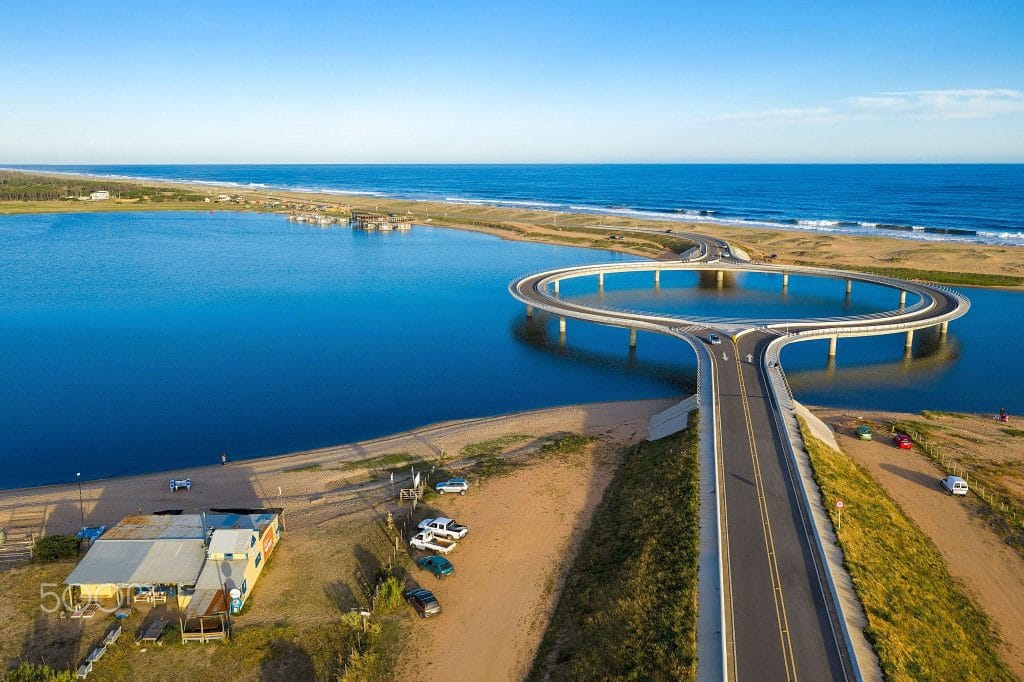
While neighboring hotspots are often bustling with tourists, Uruguay remains delightfully uncrowded. Even its capital, Montevideo, feels more like a relaxed beach resort than a frantic metropolis.
- Cabo Polonio: For those seeking a true “digital detox,” this off-grid coastal village is accessible only by 4×4 trucks across sand dunes. There are no streetlights and limited electricity, offering a rare chance to see the stars in total darkness and listen only to the roar of the Atlantic and the resident sea lion colony.
- The Rocha Lagoons: Nature lovers can head to the Garzón or Rocha lagoons, where the only “crowds” you’ll find are flocks of pink flamingos and migratory birds.
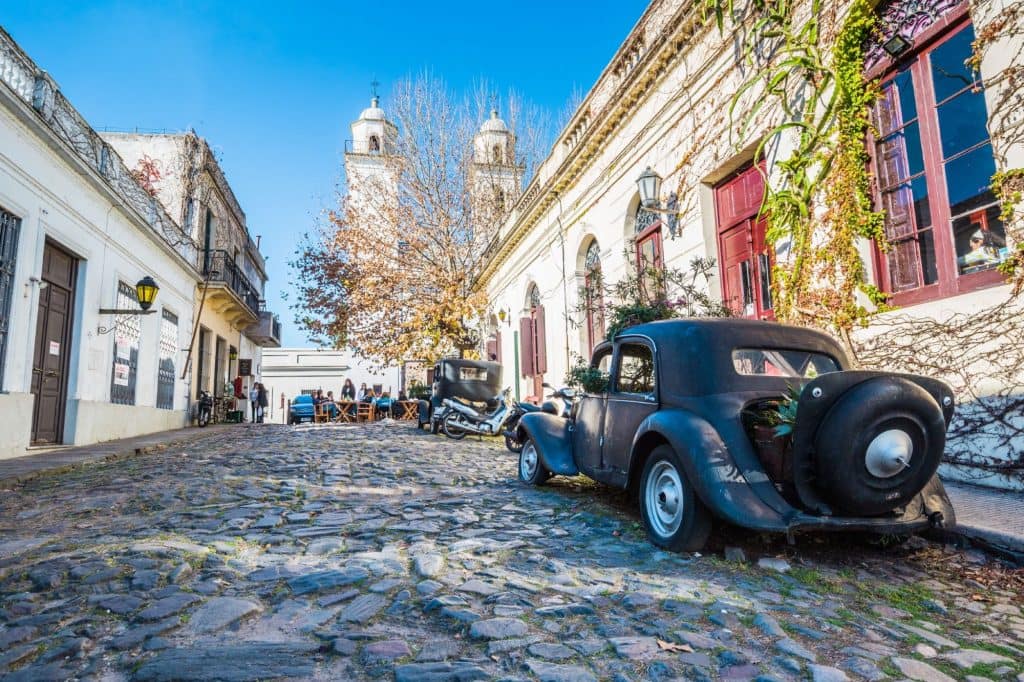
- Colonia del Sacramento: A UNESCO World Heritage site where you can wander cobblestone streets lined with colorful colonial houses, feeling as though time stopped somewhere in the 18th century.
3. A Toast to the “King” of Grapes: Tannat
You cannot talk about Uruguay without mentioning its wine. While the rest of the world looks to Malbec or Cabernet, Uruguay has perfected Tannat. Originally from France, this robust, dark-skinned grape found its true home in Uruguay’s Atlantic climate.
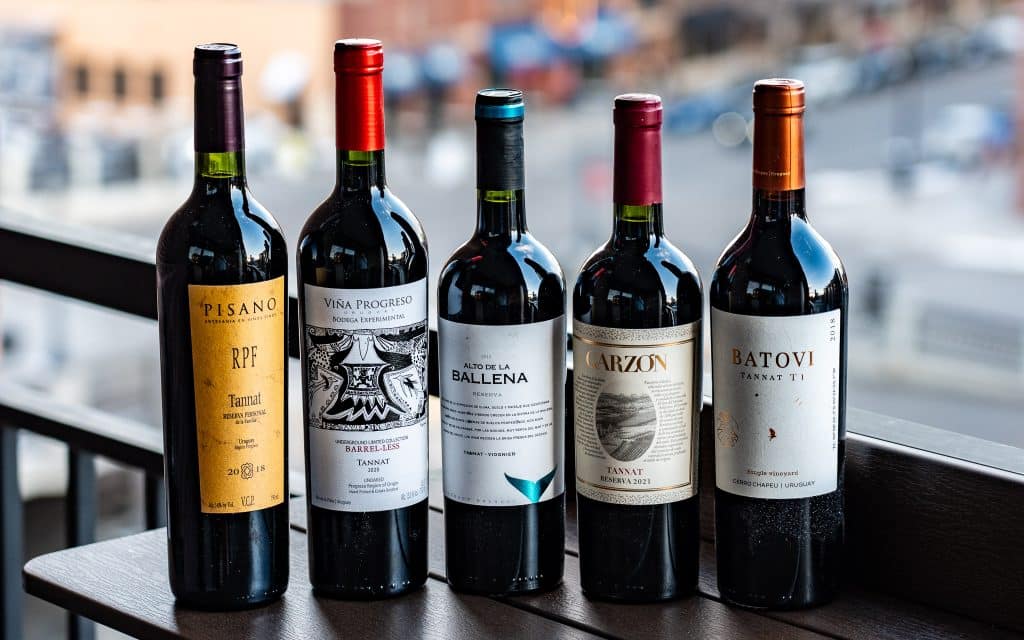
The wine scene here is intimate. Most wineries (or bodegas) are still family-owned, often managed by the third or fourth generation.
- Bodega Garzón: Often cited as one of the best in the world, this winery combines luxury with LEED-certified sustainability.
- Carmelo: A tranquil riverside town where you can bike between vineyards, sipping elegant reds and crisp Albariños under the shade of ancient eucalyptus trees.
Why Now?
Uruguay represents a shift in what “luxury” means in 2026. It’s no longer about the flashiest hotels; it’s about space, silence, and authenticity. It is a country that is “quietly confident,” happy to let you discover its charms at your own pace.
Whether you are sipping a glass of Tannat overlooking the vineyards of Maldonado or watching the sunset over the Río de la Plata, you’ll realize why the BBC put this humble nation on the map: in Uruguay, the most sustainable thing you can do is simply slow down.